

Real estate has always been local.
But in reality, it’s more than local.
It’s hyperlocal.
A condo in Miami isn’t competing with every condo in the city.
It’s competing with other units in the same building.
Often in the same vertical stack.
On similar floors.
With similar exposure.
A home in South Florida isn’t competing with the entire ZIP code.
It’s competing with homes inside the same subdivision.
The same gated entrance.
The same waterfront section.
Yet most real estate platforms still organize search around broad filters and citywide averages.
That’s not how pricing works.
That’s not how positioning works.
And it’s not how real estate actually behaves.
So we built something different.
The Problem With Traditional Search
Most real estate platforms are listing aggregators.
You filter by:
Beds
Baths
Square footage
Price range
ZIP code
But those filters don’t answer the real questions serious buyers and sellers ask:
How is this unit positioned inside its building?
Is this stack outperforming the others?
How are similar homes in this subdivision actually trading?
What’s happening in this exact community right now?
Without context, you’re browsing.
With context, you’re understanding.
That difference matters.
Subdivisions.com: Built for the Hyperlocal Market
Subdivisions.com was built around a simple principle:
Real estate competes inside communities — not counties.
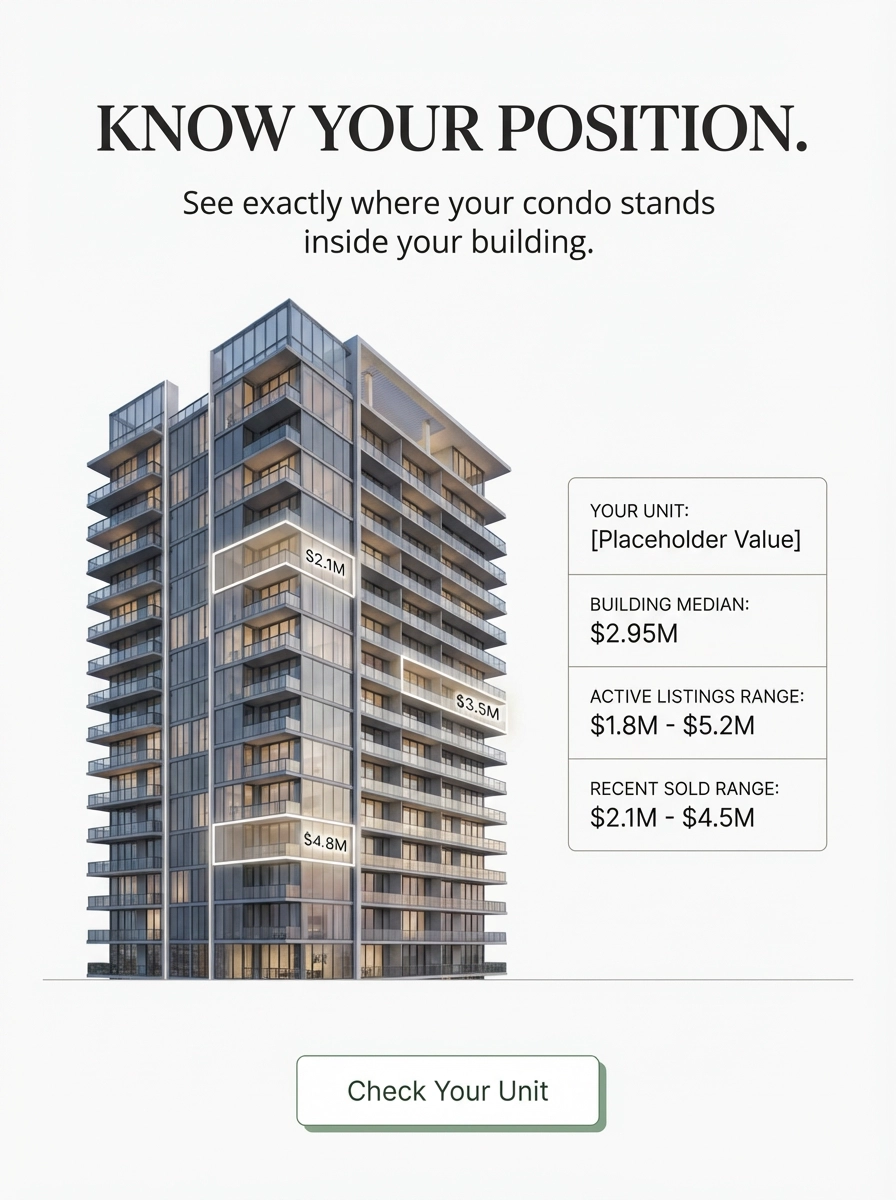
Instead of organizing properties only by city or ZIP code, Subdivisions.com structures data at the subdivision and building level.
For high-rise condos, that means:
Line-by-line comparisons
Floor-by-floor positioning
Apples-to-apples analysis within the same building
For single-family homes, that means:
Subdivision-level performance
Community-specific trends
Direct comparables within the same development
It’s not just search.
It’s structured, community-level market intelligence.
From Listings to Positioning
Traditional search answers:
“What’s available?”
Subdivisions.com answers:
“How is this positioned?”
That shift changes everything.
Instead of broad averages, you see:
Active vs. sold inside the same building
Median performance within the same subdivision
How one stack compares to another
How your property fits inside its immediate market
This is contextual real estate search.
It’s not about more data.
It’s about the right data — organized around the micro-market that defines value.
Why Hyperlocal Intelligence Matters in 2026
Markets are evolving.
Inventory patterns are shifting.
Buyer sensitivity to pricing is increasing.
Micro-market differences are widening.
In South Florida especially, two units in the same building can perform very differently based on:
Stack
Floor height
Exposure
Renovation level
Current competition inside the building
Those differences don’t show up in ZIP code averages.
They show up inside the community.
And that’s where Subdivisions.com operates.
Real Estate Is Hyperlocal
So we built a search for it.
Subdivisions.com connects listings to their immediate competitive environment — the building, the stack, the subdivision.
It turns search into structure.
It turns browsing into understanding.
And it brings context and clarity to every property decision.
Because in real estate, context isn’t extra.
It’s everything.

Comments